Your Cart is Empty
Immerse yourself in a world of selections at one of our
stunning East Coast showrooms. Architessa sources our tile both
domestically and internationally, bringing the best of porcelain,
natural stone, ceramic, and more to convenient locations and through
our national commercial representatives Contact us to
explore an in-store or virtual appointment with an Architessan. Orders
ship worldwide or can be picked up at Architessa's warehouse
locations. Delivery options are available for orders within Virginia,
Maryland, and D.C.

Immerse yourself in a world of selections at one of our stunning East Coast showrooms. Architessa sources our tile both domestically and internationally, bringing the best of porcelain, natural stone, ceramic, and more to convenient locations and through our national commercial representatives.
Contact Us to explore an in-store or virtual appointment with an Architessan. Orders ship worldwide or can be picked up at Architessa's warehouse locations. Delivery options are available for orders within Virginia, Maryland, and D.C.

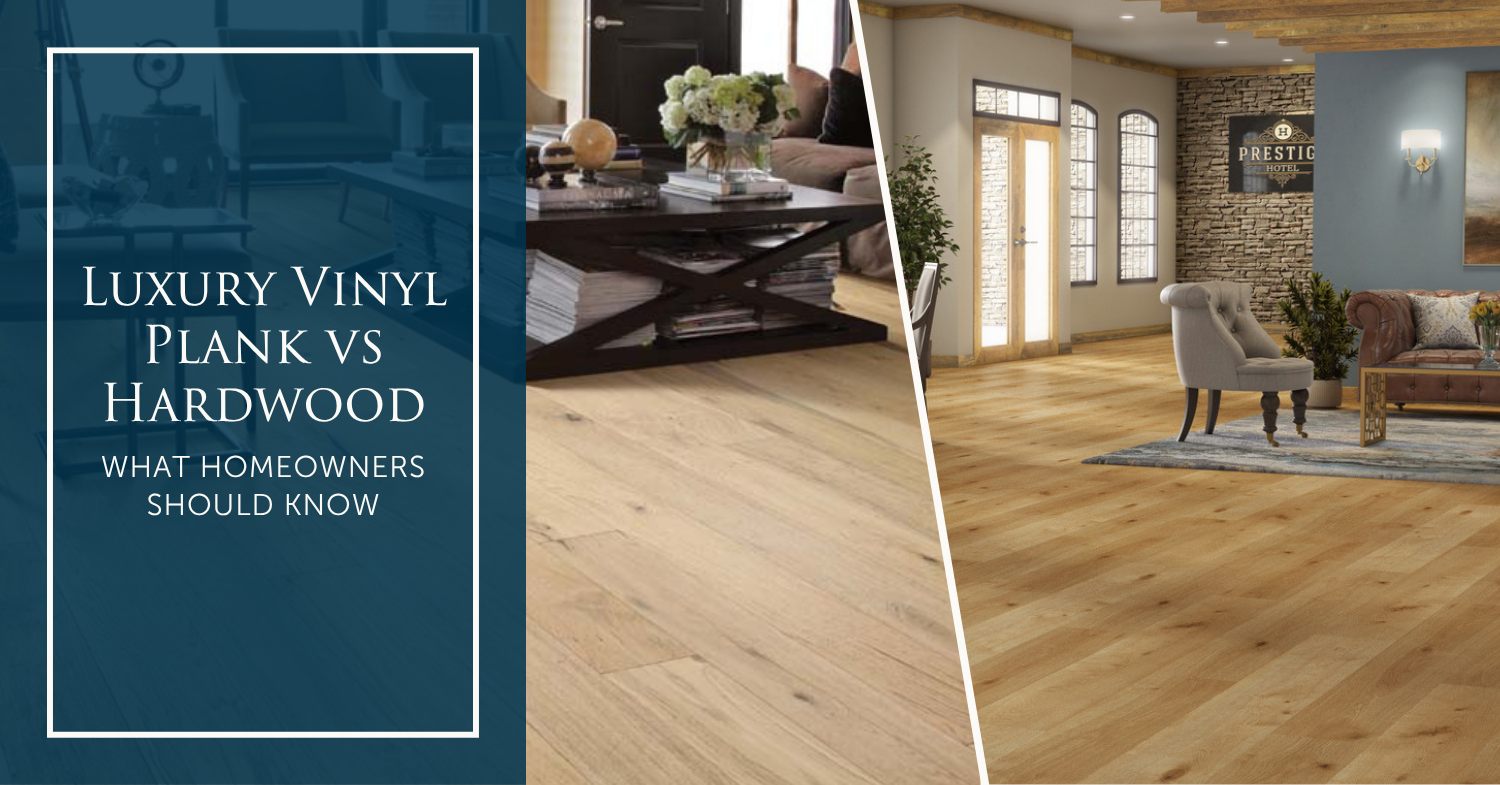
Flooring sets the foundation for how your space looks, feels, and performs every day. Commercial and residential property owners often weigh luxury vinyl plank against hardwood flooring when planning upgrades or new builds. Each option delivers distinct advantages in cost, durability, comfort, and long-term value. Understanding how these materials perform in real environments helps you choose a floor that supports your lifestyle, business needs, and investment goals.
When evaluating upfront investment, Luxury vinyl plank and luxury vinyl tile typically cost less than hardwood flooring in both materials and installation. The difference comes down to how each product lasts over a lifetime of use. Luxury Vinyl Plank is better in the long term, as it can last up to 15 years.
Luxury vinyl plank reduces Initial cost because it:
Carries a lower price per square foot
Installs quickly with minimal subfloor modification
Eliminates sanding, staining, and finishing labor
Hardwood flooring increases the total Upfront investment because it:
Costs more per square foot
Requires professional installation and acclimation time
Often includes sanding and finishing on-site
Hardwood often strengthens long-term property appeal, but LVP delivers immediate cost efficiency for commercial and residential projects.
Daily wear and exposure to moisture often determine which flooring performs best. Luxury vinyl plank and tile resist scratches, dents, and water damage, making it a reasonable choice for low-traffic areas and kitchens. Many products include waterproof cores that prevent swelling or warping after spills.
Hardwood offers proven durability but reacts to humidity and standing water. Moisture can cause expansion, cupping, or staining. In dry, climate-controlled environments, hardwood can last for decades with proper care.
Long-term upkeep influences both cost and convenience. Luxury vinyl plank requires minimal maintenance. Regular sweeping and damp mopping keep the surface clean. Hardwood, on the other hand, demands more consistent care to preserve its appearance. Owners must control indoor humidity, clean with manufacturer-approved products, and address scratches promptly. Over time, hardwood may require sanding and refinishing to restore its surface. While refinishing can extend lifespan, it adds cost and temporary disruption. Consider how much ongoing maintenance you want to manage before making your final decision.
Flooring influences how buyers perceive a property’s quality and longevity. Hardwood often appeals to buyers who associate it with craftsmanship and long-term durability. In many markets, real wood flooring can support stronger resale positioning, particularly in higher-end residential properties.
Luxury vinyl plank continues to gain acceptance as manufacturing improves texture and realism. In commercial settings, buyers often prioritize durability and water resistance over material prestige. The right choice depends on your target market and how flooring supports overall property value.

Comfort underfoot and sound control affect how a space feels day to day. Luxury vinyl plank often includes attached underlayment or flexible backing that softens impact and reduces footstep noise. This makes it a practical option for upper floors, offices, and multi-family properties where sound transfer is a concern.
Hardwood offers a firm, solid feel that many homeowners prefer. However, it can amplify sound without added underlayment or area rugs. Installing acoustic padding or engineered systems can improve sound performance, but these additions increase overall project cost.

Installation timelines directly affect renovation schedules and business operations. Luxury vinyl planks install quickly through click-lock or glue-down systems, allowing crews to complete projects with minimal downtime. Many products can be installed over existing subfloors with minimal preparation, reducing disruption in occupied commercial and residential spaces.
Hardwood installation requires more preparation and precision. Solid wood requires acclimation to indoor humidity levels before installation, and some projects require on-site sanding and finishing. While hardwood delivers long-term performance, it typically extends installation time and complicates scheduling.
Deciding between luxury vinyl plank and hardwood flooring hinges on budget, moisture exposure, traffic levels, and long-term investment goals. Luxury vinyl plank and tile support faster installation and resist moisture in high-traffic areas, while hardwood delivers natural character and strong resale value.
Evaluate how each option aligns with your space by requesting a sample or calling Architessa at 1-866-323-1322.